

Duration
22 minutes
Guest
-

Colin Mulcahy
Director at Graco Studios

Host
-
Alec Drew
Host of The SME Business Show
Never miss an episode & get SME business tips straight to your inbox
Episode Summary
Over the past ten years, small businesses have increasingly recognised the value and impact of professional video production in their marketing strategies. With advancements in technology and the accessibility of video production services, small businesses have been able to create high-quality videos that rival those produced by larger companies at a much lower cost point.
Colin Mulcahy, Director at Graco Studios, explains how professional video production has enabled small businesses to compete on a more level playing field, as they can now create polished and professional content that stands out in a crowded digital landscape.
In this episode of The SME Business Show, Colin Mulcahy and our host Alec Drew discuss the value of professional video production, the key areas where small business are investing; and how your business can get started with video to elevate your online presence, establish credibility, drive customer engagement, and ultimately reduce your overheads in areas of your business.
Key Insights:
- Where are businesses investing in video? Colin identifies a number of key areas that businesses are focused on. Building credibility, which includes client/customer testimonials, product/service demonstrations, and training/onboarding for both staff and customers. They also focus on customer service, where they provide FAQs and answers to commonly asked questions to address their customer enquires efficiently. These areas reflect the core focus of our clients and where we concentrate our efforts to meet their requirements.
- Getting the most from your content. According to Colin, "Atomization" will help you achieve more with your video content. It involves repurposing your content for different channels and platforms. With a good brief you can save time, money, and effort by making one video and extracting segments of it to upload as a podcast, transcribed as a blog post, short-form videos for YouTube, TikTok, Facebook stories, and Instagram stories and teasers that directs viewers to the original video.
Today’s Guest(s): Colin Mulcahy Director of Graco Studios
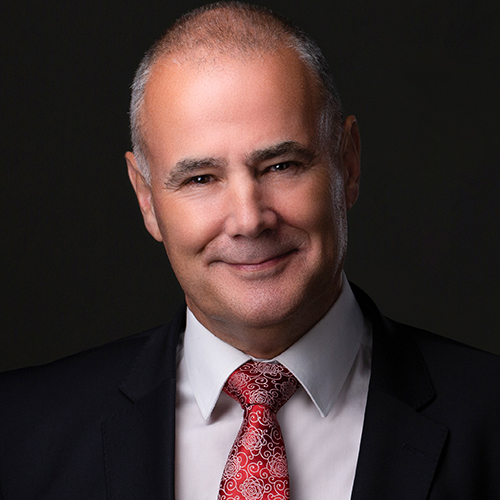
Colin Mulcahy, Director at Graco Studios
Colin is a seasoned professional with extensive experience in video production and live broadcasting for businesses. He has worked with many businesses and large companies to help them create compelling visual content that effectively communicates brand messages and engages target audiences. From town halls, corporate events, concerts, product launches to promotional videos and webinars, Colin’s expertise in both pre-production planning and live broadcasting enables him to deliver every time. He runs a full time photography and video production Studio.
- Company: Graco Studios
- Where to find Colin Mulcahy: Facebook Twitter Instagram LinkedIn
[00:00:00] Intro: Hello and welcome to the SME Business Show with me, Alec Drew. Each show focuses on a particular business topic, and so we invite an expert on that topic to share their knowledge, insights, and tips to help you with your business challenges.
[00:00:00] Alec Drew: Today’s topic is the value of professional video production, and I’m delighted to be joined by Colin Mulcahy, Director of Graco Studios.
[00:00:00] Alec Drew: Hi Colin.
[00:00:00] Colin Mulcahy: Hi Alec.
[00:00:00] Alec Drew: Listen, I’ve heard that professional video production is the preserve of sort of large companies.
[00:00:00] Colin Mulcahy: Well Alec, I’m happy to say that’s no longer the truth. No longer do you need a large Hollywood style production to make any form of video.
[00:00:00] Alec Drew: Right.
Video production is more accessible these days than any time in the past. In regard to pricing and so forth, there are various different price points that a company can come in at. And just to give you an example, 50% or the majority of videos that we create for most small businesses range around 500 Euros.
[00:00:00] Alec Drew: Wow.
[00:00:00] Colin Mulcahy: And then after that it’s an upward scale where it ranges between a thousand, five thousand for any kind of live production. And then on a rare occasion it can go excessively much higher than that.
[00:00:00] Alec Drew: Give me some ideas of where SME business owners are investing their money in professional video productions.
[00:00:00] Colin Mulcahy: Well we find it as four key areas that our customers or clients are focused on today. One of those is credibility, and that actually is client or customer testimonials, product and service demonstrations, training and onboarding, whether it’s staff or even customers. And the fourth category that we find that they’re focused on is customer service and providing FAQs or answers to frequently asked questions that they get regularly.
[00:00:00] Alec Drew: Can we just explore each of those individually?
[00:00:00] Colin Mulcahy: Yeah, sure.
[00:00:00] Alec Drew: Let’s just talk about the testimonials and credibility. Take me through that and how that’s working.
[00:00:00] Colin Mulcahy: A testimonial can be a story or a shared experience by a customer. And what better way to build credibility for your business is by sharing those experiences. Where in fact your business has solved that pain point or problem for a customer and that customer is happy to share that experience. And what the research shows is that when your organisation or business shares those stories, they provide credibility for your brand or business.
[00:00:00] Alec Drew: Right, so I suppose the credibility comes from people seeing real people saying something positive about a company.
[00:00:00] Colin Mulcahy: Yes, because people can relate to people that they see in the video and they have the same shared experiences. So these testimonials just reinforce and can often influence purchasing decisions because people can relate to the stories.
[00:00:00] Alec Drew: Well, that’s fantastic. Have you any examples of that?
[00:00:00] Colin Mulcahy: Well, yeah, one classic example we had recently where a client came to us and they wanted to share testimonials in regard to the use of their products and services through training. All right. So we set up the studio here for them to bring some of their existing customers who came here and were willing to share their experiences with the products and services. And what they were able to do with those then is place them on their website to share with new and possible new customers and also share them across their social media platforms like LinkedIn, Instagram and Facebook. And ultimately, one of the best purposes of creating content like this is that it will help influence future purchases by other customers because they can relate to real stories.
[00:00:00] Alec Drew: Well, that’s a great usage of it. And I suppose people, you know, they buy into the credibility because they see real people there who are named and talking about the product.
[00:00:00] Colin Mulcahy: Absolutely.
[00:00:00] Alec Drew: Well, that’s fantastic. Tell me about the training aspect. You mentioned that training was one of the key areas that you find that you’re working in.
[00:00:00] Colin Mulcahy: Well, training companies have been training their employees for decades, if not much longer. But one situation that has occurred in the last couple of years that caused a problem with training was actually Covid.
[00:00:00] Alec Drew: Right.
[00:00:00] Colin Mulcahy: Because it forced a lot of people into remote working,(…) what actually happened was that companies realized that where they actually conducted training in person, they now no longer had access to those resources and had to move to other ways of providing training for employees. In fact, during Covid, a lot of companies actually stopped training because they didn’t have access to those resources. And they had to look at how they could turn to creating training for employees that they hired during Covid that they didn’t even meet in person. And so a lot of people were meeting people online. They needed to share training and resources. So in order to do that effectively and efficiently, they needed to create a standard set of training materials that were easy accessible, that they were standardised no matter who the trainer or what the material was. And that it would be cost effective.
[00:00:00] Alec Drew: Yes. And I can see that because I’m just thinking to myself, so we don’t have to provide a person face to face. So therefore we now have consistency. And I suppose people were taking the opportunity to reassess their training material when they had to do it in a sort of video production area.
[00:00:00] Colin Mulcahy: They realised that they had to translate what would have been an in-person training experience and creating an online training experience where people would actually engage and enjoy the material that they’re learning. So they would continue to refer to it whenever they needed to. Because even your best employees who may be with kids, retaining the information from point to point or from time to time, they may actually need to read and clarify certain information. So by having a repository that’s easily accessible, gives them easy access to that information.
[00:00:00] Alec Drew: Well, that’s fantastic. And I suppose it keeps giving them the opportunity to reevaluate the content of that training and then edit it as accordingly necessary.
[00:00:00] Colin Mulcahy: Yeah. The great thing about having your content online is you can actually measure how much your employees are actually using the content and whether they’re actually completing the training.
[00:00:00] Alec Drew: Big brothers out there watching us. I know that. Another area that you also mentioned, you were talking about sort of onboarding staff. Tell us about that because I know a lot of companies, they’ll give them a sort of buddy to walk around with them. But there’s a lot of process that people need to take on board. How’s the video helping?
[00:00:00] Colin Mulcahy: Well, apparently, if you talk to any HR expert that in a standard organisation, it can take between three to 12 months to actually bring a new employee in, get them up to speed in regard to all the skills and knowledge that they need to have. So video content helps the employee to focus on the content, learn at their own pace.
[00:00:00] Alec Drew: Right.
[00:00:00] Colin Mulcahy: And it helps to also take the employees that would be engaged in that training and consuming their time with one on one training because sometimes your best trainers are your other employees.
[00:00:00] Alec Drew: All right. So you’re taking them away from other tasks to train.
[00:00:00] Colin Mulcahy: So by using video content, you can enable your employee to work away at their own pace, allowing the other employees or the other trainers to give it on with other projects that they otherwise would be caught up in regard to training.
[00:00:00] Alec Drew: A sort of fourth area that you mentioned was frequently asked questions. Tell me a bit more about that.
[00:00:00] Colin Mulcahy: Oh, yes. Frequently asked questions. You know, a lot of products and services are new to people. So 50% of the time you’ve got clients or customers that want access to you 24/7 because they might have a query or want to learn about something. And just to put it in context here to studio, as you can see, we have a lot of high end professional equipment, products and services that we use to create video content. And each of those products, we easily have 100 brands, right? And we need to learn or be able to fine tune each of those pieces of equipment. For us, we need to be able to learn about them quickly so we can apply the knowledge. So by being able to go on their websites that are frequently asked questions section or knowledge base, we can easily at our own pace and find it instantly answers to the questions. There are very few times that we’ve actually had to email or contact the company directly to get a response because they’ve been putting all our questions up online. And the flip side to that coin, which is a win-win too, is that within an organisation, if you have that content in place.
[00:00:00] Alec Drew: Right.
[00:00:00] Colin Mulcahy: you have to spend less time on supporting, as in phone calls, emails and less time training up a large support team which allows you to put your resources into other areas of the business. So effectively, you can create videos that can last a long time, but you can give access to your customers instantly.
[00:00:00] Alec Drew: Wow. And I can see social media applications for it. And I suppose if I was phoning in, you can send me a video based on the question I’m asking. And let’s not forget, AI.
[00:00:00] Colin Mulcahy: Yes, exactly. And even over COVID, where a lot of companies move to online chatbots, for example, for quick and easy access to questions on their website, they are intelligent enough that when you ask a question, it can actually directly straight to a video or a question that gives you instant access. And should you need further correspondence with the company, they can email you back. But you can either send a support email or even a marketing message really quickly from an FAQ that you have on your website.
[00:00:00] Alec Drew: Wow. I can see from that alone, they must be saving tens of thousands of euros for companies each year.
[00:00:00] Colin Mulcahy: Oh, yeah. Could you imagine getting the same question 80% of the time?
[00:00:00] Alec Drew: Yeah, it just makes sense. And just if there was a fifth one, if I remember correctly, it was about product demonstration.
[00:00:00] Colin Mulcahy: Yes, product demonstrations. And they’re very important too, because a lot of the time we may see a picture or an advert for something and we want to learn more about a product. Being human, we’re very hands on and we like to see how it’s actually being used. So when you use video content within a very short period of time, if it’s a focused video on how to use a product, you’re basically transporting the person who’s watching it into the scene where they can see themselves using the product. And in that process, you can learn how to use it very fast, you can provide all the knowledge that you need and potentially you can use it for sales where it can convert during the explorative period of watching the video. It may in turn cause a person to just turn around and buy the product.
[00:00:00] Alec Drew: Well, I mean, there’s been programs out there like QVC that have been very successful for decades. So obviously it’s very effective?
[00:00:00] Colin Mulcahy: Oh, it’s a very proven model. Create a connection, show a person how to use a product, highlight the benefits of how it can add to the quality of your life. And in this day and age, we like to be able to spend less time doing and more time having. So learning about a product that can make our life easier is a great way to showcase anything.
[00:00:00] Alec Drew: So it can be put out over the various social media channels, we can put in YouTube, you can have it on your website, you can use so many uses of it.
[00:00:00] Colin Mulcahy: Oh, there’s so many touch points into this day where people have access to information. So by using a product or service demonstration where you record it once. And you can repurpose it and put it out through all your advertising channels.
[00:00:00] Alec Drew: Wow. Wow. That opens up a whole new area. But I suppose, you see, I’m an SME, a business owner. Where do I start if I’m going to invest in video?
[00:00:00] Colin Mulcahy: Well, you start at the beginning and the best way to do that is to create a brief.
[00:00:00] Alec Drew: Right.
[00:00:00] Colin Mulcahy: And if you don’t know how to create a brief in the context of creating video production for your business, we have a step by step approach where we can take you through that. A brief clearly outlines a number of key aspects to any video production.
[00:00:00] Alec Drew: Right.
[00:00:00] Colin Mulcahy: First of all, what is the goal of creating the video content? Who’s it for? Where’s it for? What age are your potential customers or clients?
[00:00:00] Alec Drew: So in other words, you’re going to be very hands on with me. So I don’t have to, I know I have to do the work, but you will hand hold me through it.
Well, absolutely. You may have a clear idea from the very beginning, but if you need support in regard to creating a brief, we can take you through the whole process.
[00:00:00] Alec Drew: Well, that’s handy. And so I’m not involved in spending any money yet, am I?
[00:00:00] Colin Mulcahy: No, no, we’re purely at a discovery stage in regard to learning about what it is that you want, because once we have a clear idea of what you want, we can then take that and look at the next level. Yeah. And what is the next level, by the way?
[00:00:00] Colin Mulcahy: Well, the next level is once you’ve designed your brief or created your brief, we’ll meet or chat again. Yes. And at this stage, we’ll take the brief and translate that into what we call a storyboard. All right. And a storyboard is a visual aspect or a visual layout, just like a mood board that you might be familiar with when you’re decorating your home. Yeah. And we do the same thing. We lay it out. We look at all the elements that are needed, whether it’s music, imagery or any other video content or whether it needs voice overs or actors and so forth. But I can clearly point out one tip at this point. Spend the time at this stage. Right. So everybody is on the same page in regard to what you want and what the production company needs to deliver.
[00:00:00] Alec Drew: Can I use a member of my own team or even myself? Okay, myself, I can use, but can I use a member of my own team? And we’re going to be creating some of this.
[00:00:00] Colin Mulcahy: Yeah, there’s absolutely no reason why you can’t use a member or an employee of your own business. Like what better way to share information that you didn’t use the best influencer that you have, which is an employee working for you because they can share real stories behind the scenes, aspects of the organisation. But in regard to the video content, yes, you can absolutely do that.
[00:00:00] Alec Drew: I’m concerned. What happens if, for example, we have it out six months a year and this employee moves on? Is this all redundant, all we’ve created?
[00:00:00] Colin Mulcahy: When you use an employee, you need to have a form of release. So what that nails you to do, even though the company may own the content or whatever, but when it comes to actually using the employee, their face, their likeness and so forth, you need to have a release. And when you have a proper release form signed by the employee, that allows you to use that content anytime, anyplace, anywhere in the world without worrying about usage rights.
[00:00:00] Alec Drew: That’s fantastic. Listen, I might have somebody who would be perfect for this, but they’re a bit nervous in front of the camera. I’m not sure how they would perform. What sort of suggestions would you have around that?
[00:00:00] Colin Mulcahy: Well, the great thing about one using your own employees, it helps you keep the cost down. Yes. The next thing is in order to prepare your employees for any of the video content that you might have, you might assume that they’re natural or they’ll just kill it on camera. But sometimes that’s just not the case. And unfortunately, it’s not their fault. Sure. Oftentimes when we’re working with employees for organisations and preparing them for video, it actually takes twice as long to prepare them and to get them ready for being on camera.
[00:00:00] Alec Drew: But it can be done?
[00:00:00] Colin Mulcahy: Oh, absolutely.
[00:00:00] Alec Drew: And you have the facilities to do it?
[00:00:00] Colin Mulcahy: Yeah, here here at Graco Studios, when somebody feels that they’re not camera ready, we have certain members of the team that can train them. And hopefully, with our training, get them up to speed and get them on stride for when they’re delivering on camera.
[00:00:00] Alec Drew: Okay, so it doesn’t work. We can’t get them in front of the camera. What’s plan B?
[00:00:00] Colin Mulcahy: Well, the other option is you provide or you hire professional talent. Right. That may include an actual actor, which could be for on camera, or it could be for voiceover and so forth. But generally, when you’re hiring an actor, and you’re looking at the fact that they have experience, they can provide credibility on camera. And in the case where you have long dialogue or long scripts that need to be shared on camera, it’s probably the best approach to actually use a profession because they have the experience of standing in the camera and saying the lines. Another great aspect of it is that they take direction.
[00:00:00] Alec Drew: Right, of course, yeah, they’re well used to it. But this must cost an arm and a leg.
[00:00:00] Colin Mulcahy: No, and not an arm and a leg, but there are potentially extra costs involved because you may need to conduct auditions. There may be other aspects of it that include payment, buyout, releases and on the day costs like hair and makeup. And of course, they need to eat. So they’re one thing to take care of. But again, this is all costed out before we even get into spending any real money. Oh, yeah, going right back to the beginning where we’ve put the time in to itemize every aspect of this. There’s a clear idea of what’s needed at each stage. Give me some sort of ballpark. So if I’m going to get involved in video production, what sort of money should I need to consider? Or how do I go about putting a budget in place? Well, the thing is, even though at the very beginning of the video, we gave a guide to how much each finished product may cost a business or an organization.(…) At the end of the day, each product is bespoke because you might need 10 videos of this. You need nine to five of that. But you can realistically easily start with a couple of videos, you could easily be looking at anywhere between 1500 to two and a half thousand. But remember, as we spoke about earlier, if you plan correctly, you can repurpose that content in different ways. Don’t just think of one aspect of what you want. Think of how you can leverage it across all your touch points. Right.(…) And so we’re able to use it across social media and repurpose it. And can those videos be edited at some future stage so that we can reuse them differently? Yeah, we have a great term for this. It’s called atomizing.(…) Basically,(…) you can take your recording, you can actually take the audio, use it for a podcast. You can take, transcribe it and put the script on your website, which helps other aspects of your business in regard to digital media, SEO and so forth. You can chop it up, put a little bit on social media, which help direct you back to your website to look at the content in full. There’s so many different ways you can repurpose it. And once again, we show this with you when we’re going through the briefing stage, what you can actually do. So you can get a big picture idea of how you can save money and effectively use the content you’ve created.
(…)
[00:00:00] Alec Drew: I suppose a lot of people these days are using smartphones for capturing content. What have you got to say to that?
[00:00:00] Colin Mulcahy: Well, I have one of the best smartphones you can buy. It’s fully loaded. You can take the best videos, you can take the best pictures on 4K. They’re great for doing social media announcements, small tutorials and so forth. But if you really want to take your brand credibility to the next level, ideally you need to be investing in proper video production at some point. Because one of the things about phones in general is you can get away with poor video, but you will not get away with poor audio. And unfortunately, phones are not equipped for good audio. And even if you did go to trouble of rigging out a phone and putting in that case, you still have other aspects of a phone, depth of field, all these creative things that you can do with a production camera that you can’t do with an iPhone.
[00:00:00] Alec Drew: So really, it really opens up the whole world in terms of video production. I hadn’t realised it had so many applications. Listen, I can see from the time this is taking us to the end of the show. Colin, where can we find out more about Graco Studios?
[00:00:00] Colin Mulcahy: Well, happy I can say that we have our own website and you can find it at gracostudios.com.
[00:00:00] Alec Drew: Thanks to Colin Mulcahy, director of Graco Studios, for coming into us today and sharing so many valuable tips around video production. Don’t forget to join me, Alec Drew, again next time where we’ll have another expert sharing knowledge, insights and tips on a particular business topic to help you with your challenges. And if today’s show raised any questions, why not reach out to us across any of the social media channels, the SME Business Show. Thank you for your company. I look forward to seeing you again soon.
